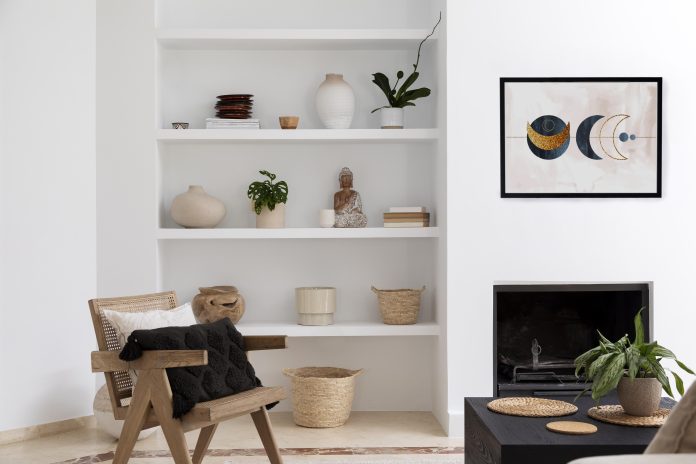

Minimalist interior design is a design style that emphasizes simplicity and functionality, while eliminating unnecessary decorative elements. The idea is to achieve a clean and uncluttered look, with a focus on essential elements that enhance the space’s functionality and natural beauty. Minimalist design often uses a limited color palette, simple geometric shapes, and high-quality materials to create timeless and sophisticated spaces. It is a way to promote calmness, relaxation, and mindfulness through de-cluttering and organization.
Applying minimalist design principles for small spaces is important for several reasons:
Maximizing functionality:
In small spaces, every inch counts. Minimalist design principles prioritize function, which makes it easier to make the most of limited space by creating a more efficient layout and storage solutions. Smart design decisions can make any space feel significantly larger and more open.
Amplifying natural beauty:
Small spaces can quickly become overwhelmed and chaotic when cluttered, which is why minimalist design focuses on promoting natural beauty of the space. By keeping the space simple, clean, and elegant, it allows for the natural beauty of the architecture and materials to shine through. This leads to a calming atmosphere that promotes peacefulness and mindfulness.
Driving cost-saving:
Minimalist design principles often incorporate the use of natural light and open spaces that cut down on energy requirements, leading to lower energy bills. Additionally, by prioritizing functional and timeless designs, small spaces can often be designed with a smaller budget, using high-quality pieces that stand the test of time.
Overall, Minimalist design principles are essential when working with small spaces to make them functional, livable, and aesthetically pleasing.
Key Elements of Minimalist Interior Design for Small Spaces
Here are some of the key elements of minimalist interior design that are particularly important for small spaces:
Simplicity:
Minimalist design is all about simplicity. This means that unnecessary items are removed to focus on the essentials elements. A simple and clean design approach can help maximize available space, creating a spacious and comfortable living environment.
Functionality:
In small spaces, functionality should be a top priority. That means that furniture is chosen for specific functions, such as storage, comfort, or entertainment. Multi-functional furniture pieces are also ideal for small spaces and help to maximize valuable space.
Lighting:
Natural light can make any space feel larger and more open. For small spaces, it is important to maximize natural lighting sources where possible. In addition, simple light fixtures and clean lines are often used to create a minimalist and modern look.
Colors:
A simple color palette is used in minimalist design, and this can be particularly important in a small space. The use of light colors and natural tones creates an illusion of more space, whereas bright and bold colors can make a space feel smaller. Monochromatic color palettes can also be utilized and can create a sophisticated and elegant look.
By incorporating these key elements of minimalist interior design, you can create a functional and aesthetically pleasing space, even in a small area.
Creative Minimalist Design Ideas for Small Spaces
Wall-mounted shelves and furniture for maximized storage and floor space
Sliding doors and hidden storage solutions for a clean and tidy space
Hybrid furniture pieces that serve multiple functions in small spaces
Vertical gardening and space-saving indoor plants
In conclusion, minimalist interior design is the perfect way to create a practical, functional, and efficient space in small apartments or homes. The key is to focus on simplicity, functionality, and making the most out of every inch of space. With minimalist design, you can reduce clutter and chaos, achieve a timeless and elegant look, and make the most of the limited space that you have.