
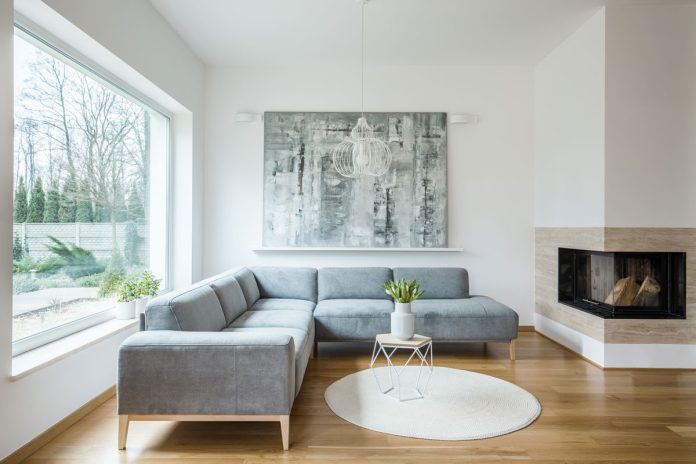

Natural light has the remarkable ability to transform a space, making it feel more open, welcoming, and vibrant. Maximizing the sunlight in your home not only improves the aesthetic appeal but also enhances mood and boosts productivity. Whether you have ample natural light or limited exposure, there are several strategies you can use to brighten up your living spaces. Here’s how to make the most of every ray of sunshine and ensure your home is as light-filled as possible.
1. Choose the Right Window Treatments
Window treatments play a crucial role in controlling how much natural light enters your home. Opt for lightweight, sheer fabrics that allow light to filter through while still providing some level of privacy. Consider using blinds or shades with adjustable slats that can be tilted to direct sunlight into the room. For a more flexible option, consider using curtains that can be easily drawn back or tied up during the day to maximize daylight.
2. Use Mirrors Strategically
Mirrors are a powerful tool for enhancing natural light in your home. Place mirrors opposite windows to reflect light and create the illusion of a brighter, more spacious room. Consider using mirrored furniture or décor elements to amplify light and add a touch of elegance to your space. Large mirrors or mirrored wall panels can make small rooms feel more expansive and airy.
3. Opt for Light Colors and Reflective Surfaces
Light colors can make a significant difference in how much light is reflected around a room. Paint walls and ceilings in soft, light hues like whites, creams, or pastels to enhance the natural light coming through your windows. Additionally, incorporating reflective surfaces such as glossy finishes, glass furniture, or metallic accents can help bounce light around the room and make it feel brighter.
4. Arrange Furniture to Avoid Blocking Light
The placement of furniture can impact how natural light flows through your space. Avoid positioning large or bulky furniture pieces directly in front of windows, as they can obstruct light and create dark areas. Instead, arrange furniture to allow sunlight to reach as much of the room as possible. Consider using low-profile or open-frame furniture to ensure that light can pass through unobstructed.
5. Add Skylights and Sun Tunnels
For homes with limited window space or low levels of natural light, installing skylights or sun tunnels can be a game-changer. Skylights are great for bringing in daylight from above, while sun tunnels use reflective tubes to channel sunlight from the roof into interior spaces. Both options can significantly increase natural light levels and make rooms feel brighter and more inviting.
6. Incorporate Glass Doors and Partitions
Glass doors and partitions can help to spread natural light throughout your home. Consider replacing solid doors with glass-paneled versions or installing glass partitions to allow light to flow between rooms. Frosted or patterned glass options can provide privacy while still allowing light to pass through.
7. Use Light-Enhancing Accessories
Incorporate accessories that enhance the natural light in your home. For example, choose light-colored rugs and throw pillows that reflect light and brighten up your space. Light fixtures with reflective or translucent elements can also help to disperse and amplify natural light.
8. Keep Windows Clean
Dirty windows can significantly reduce the amount of natural light entering your home. Regularly clean your windows both inside and out to ensure that sunlight can shine through unobstructed. Use a glass cleaner and a microfiber cloth to achieve a streak-free finish and maintain maximum light transparency.
9. Create Outdoor Light Reflections
Enhance natural light by creating outdoor light reflections that bounce into your home. Light-colored outdoor surfaces such as patios, decks, or landscaping can help reflect sunlight back into your windows. Additionally, using outdoor mirrors or decorative elements can help brighten up your outdoor areas and contribute to a more luminous indoor space.
10. Maximize Daylight with Smart Technology
Smart home technology can also play a role in optimizing natural light. Automated window shades or blinds can be programmed to open and close based on the time of day or sunlight levels. Additionally, smart lighting systems can simulate natural daylight, adjusting the intensity and color temperature to mimic the natural light spectrum.
Final Thoughts
Maximizing natural light in your home involves a combination of strategic design choices and practical solutions. By selecting the right window treatments, using mirrors effectively, and arranging furniture thoughtfully, you can enhance the brightness and ambiance of your living spaces. Incorporating features like skylights, glass doors, and light-enhancing accessories can further amplify the effect. Embracing these natural light hacks will not only make your home feel more vibrant and spacious but also create a more uplifting and enjoyable living environment.